Speed-to-Lead Automation: Why Fast Response Wins More Jobs
· Updated
A lead is most valuable at the moment it reaches out. Speed-to-lead automation helps service businesses answer faster, route the right opportunities, and stop paying for demand that never gets handled.
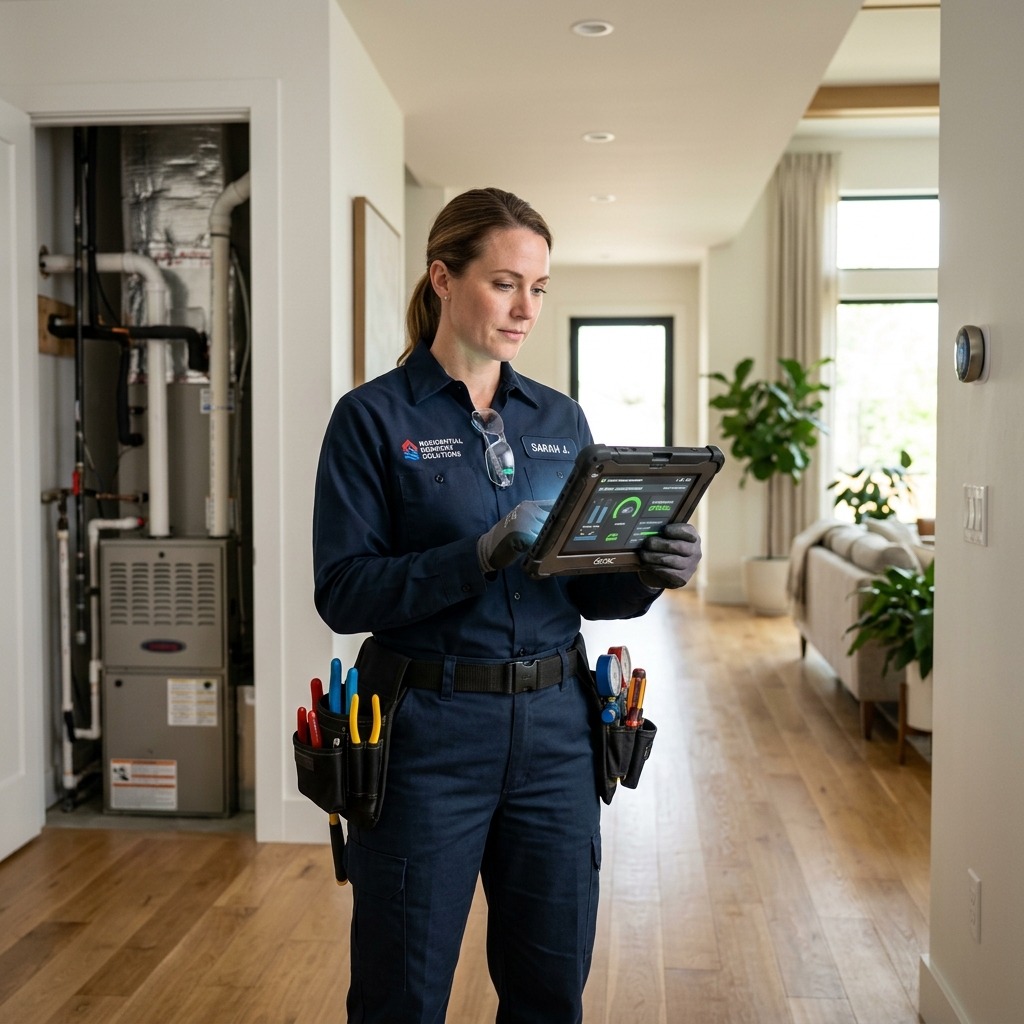
The first response is part of the sale
When a customer calls, fills out a form, sends a text, or opens a chat, they are not casually browsing anymore. They are choosing who feels available, organized, and trustworthy enough to solve the problem.
That is why speed-to-lead automation matters for service businesses. It is not just a sales tactic. It is the operational layer that makes sure paid traffic, organic traffic, referrals, and repeat customers do not fall into a gap between tools.
What slow response really costs
Research from Harvard Business Review has long warned that many companies do not handle online inquiries quickly enough. The specific channels have changed since that study was published, but the pattern is still familiar: businesses spend money to create demand, then lose momentum when nobody responds fast enough.
For a service business, the issue is even sharper because the buyer often has immediate intent. If the AC is out, a pipe is leaking, a patient wants an appointment, or a legal prospect is comparing firms, the first competent response can shape the decision.
- Missed calls should trigger an instant text or callback workflow.
- Website forms should create a record, send confirmation, and alert the right person.
- Chat and social messages should not depend on someone checking every inbox manually.
- Every new lead should have a visible status so nobody wonders who owns it.
Automation should support the human close
Good automation does not pretend every lead can be closed by a bot. It handles the repetitive parts that slow the team down: confirming the request, collecting the basic details, routing urgency, scheduling the next step, and reminding the team when follow-up is due.
That gives the human side of the business a cleaner handoff. The person answering the phone or calling back can see the context, understand the source, and move the lead forward instead of starting from zero.
The workflow WebElevated builds toward
WebElevated's approach is to connect the website, calls, forms, AI assistant, calendar, follow-up, proposals, and reporting into one command center. That makes speed visible and manageable instead of leaving it as a vague office habit.
The goal is simple: every lead gets captured, every important lead gets noticed, every prospect knows what happens next, and the owner can see where opportunity is being created or lost.
Separate the ideal workflow from the current Atlas pilot
The text, callback and booking examples above are workflow design patterns, not a claim that Atlas AI performs them today. The current Atlas production pilot is inbound-only for WebElevated; additional installations require approval. Outbound calls, SMS and sales email follow-up, calendar booking and phone payments are not active. Staff need to own those next steps until a separately approved capability is released.
Frequently Asked Questions
What is speed-to-lead automation?
Speed-to-lead automation is a system that captures new inquiries immediately, alerts the right person, sends a fast confirmation, and starts the next step before the lead goes cold.
Does fast response matter if the business already has good leads?
Yes. Strong lead quality helps, but response speed determines whether the business actually gets a chance to convert that demand into a booked job, appointment, consultation, or proposal.
Should every lead get the same automated message?
No. The better approach is to route and respond based on source, urgency, service type, location, and buyer intent so automation feels helpful instead of generic.